
Medical Article

Home / Medical Article / ECP and a New Dimension in Kidney Care

ECP and a New Dimension in Kidney Care

Dr.Sitt Tienthiti : Integrative and Regenerative medicine

Banner ECP ดูแลไต AH 01

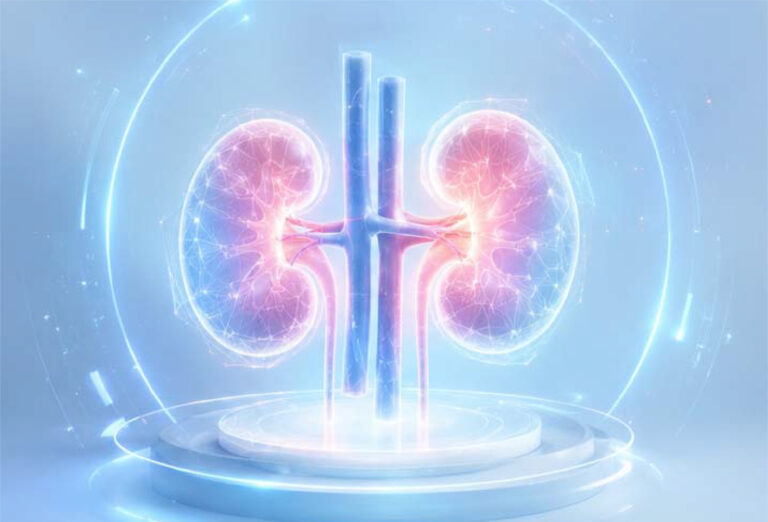
External Counterpulsation (ECP) is a medical technology used to support and “restore” circulatory function, particularly in patients with cardiovascular disease. Beyond its well-known benefits for the heart and blood vessels, growing evidence suggests that ECP may also positively influence other organs — especially the kidneys, which play a crucial role in regulating fluid balance, electrolytes, and waste removal from the body.

ECP Kidney (1)

Through its ability to enhance blood circulation and reduce cardiac workload, ECP may improve renal blood flow and support kidney function through restorative physiological mechanisms. This article explores the physiological effects of ECP, its clinical outcomes, and the available medical evidence, while also highlighting both the well-established benefits and areas that still require further investigation.

  1. Primary Mechanisms of ECP on the Body
  • During the Diastolic Phase

The air cuffs inflate sequentially, pushing blood from the lower extremities back toward the heart. This process increases pressure within the aorta, known as Diastolic Augmentation, thereby enhancing blood flow to the heart and other vital organs, including the kidneys.

  • During the Systolic Phase

The cuffs rapidly deflate, reducing systemic vascular resistance — a mechanism referred to as Systolic Unloading. This decreases the workload of the heart and allows more efficient cardiac output.
ECP Kidney (2)
  1. Positive Effects of ECP on Kidney Function

Clinical studies have demonstrated several beneficial renal effects of ECP:

  • Increased Renal Blood Flow

ECP has been shown to increase renal artery blood flow by approximately 19–21%.

  • Improved Filtration Function

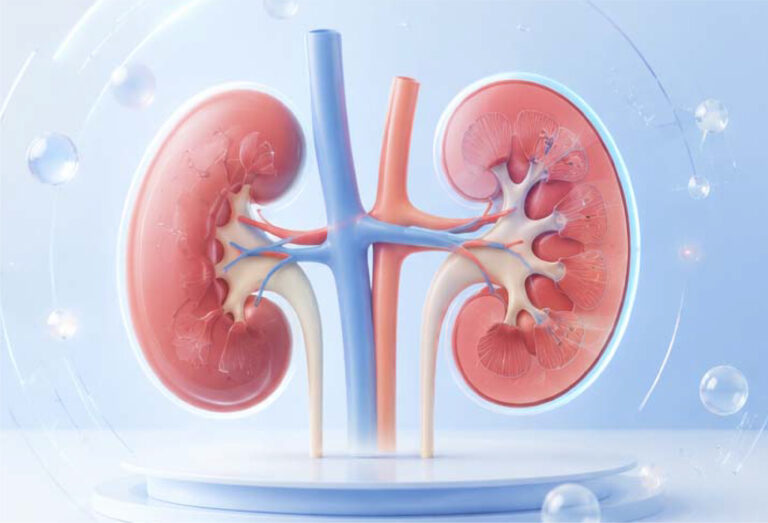
ECP may improve the glomerular filtration rate (GFR) and increase renal plasma flow.

  • Enhanced Salt and Water Excretion

Treatment may increase urine output and promote the excretion of sodium and chloride from the body.

  • Hormonal Regulation

ECP has been associated with reduced levels of vasoconstrictive substances such as Renin and Endothelin-1, while increasing Atrial Natriuretic Peptide (ANP), which supports diuresis.

  1. Benefits in Specific Patient Groups
  • Prevention of Contrast-Induced Nephropathy (CIN)

ECP may help accelerate the elimination of contrast agents from the body, potentially reducing the risk of acute kidney injury following contrast-enhanced imaging procedures such as CT scans.

  • Patients with Cardiovascular Disease

Completion of a standard 35-hour ECP program has been associated with long-term improvement in estimated GFR among patients with ischemic heart disease and heart failure.

  • Hemodialysis Patients

ECP may help stabilize blood pressure during dialysis sessions, reducing episodes of intradialytic hypotension and improving overall cardiac performance.
ECP Kidney (3)
  1. Precautions and Contraindications
  • Contraindications

ECP should not be performed in patients with:

  • Severe aortic regurgitation
  • Abdominal aortic aneurysm
  • Possible Side Effects

Most adverse effects are mild and temporary, such as:

  • Skin irritation or blistering
  • Muscle discomfort in areas compressed by the cuffs

These symptoms generally resolve on their own.

Evidence-Based Benefits of ECP for Kidney Health Restoration

  • Improved short-term renal blood circulation
  • Reduced risk of contrast-induced acute kidney injury (AKI)
  • Better hemodynamic stability and blood pressure control in dialysis patients
ECP Kidney (4)

Evidence-Based Benefits of ECP for Kidney Health Restoration

  • Improved short-term renal blood circulation
  • Reduced risk of contrast-induced acute kidney injury (AKI)
  • Better hemodynamic stability and blood pressure control in dialysis patients
  1. Thongsricome T, Kositanurit W, Siwamogsatham S, Tiranathanagul K. Enhanced external counterpulsation, focusing on its effect on kidney function, and utilization in patients with kidney diseases: a systematic review. Asian Biomed (Res Rev News). 2023;17(5):208–221.
  2. Applebaum RM, Kasliwal R, Tunick PA, Konecky N, Katz ES, Trehan N, et al. Sequential external counterpulsation increases cerebral and renal blood flow. Am Heart J. 1997;133(6):611–615.
  3. Werner D, Schneider M, Weise M, Nonnast-Daniel B, Daniel WG. Pneumatic external counterpulsation: a new noninvasive method to improve organ perfusion. Am J Cardiol. 1999;84(8):950–952.
  4. Werner D, Trägner P, Wawer A, Porst H, Daniel WG, Gross P. Enhanced external counterpulsation: a new technique to augment renal function in liver cirrhosis. Nephrol Dial Transplant. 2005;20(5):920–926.
  5. Zhang X, Yao C, Xiao Q, Wu J, Wu G. Enhanced external counterpulsation: a new method to alleviate contrast-induced acute kidney injury. Contemp Clin Trials. 2022;113:106653.
  6. Zeng CM, Zhao YM, Zhong XJ, Wu ZJ, Bai J, Qiu SY, et al. Reduction in risk of contrast-induced nephropathy in patients with chronic kidney disease and diabetes mellitus by enhanced external counterpulsation. Front Endocrinol (Lausanne). 2022;13:973452.
  7. Ruangkanchanasetr P, Mahanonda N, Raungratanaamporn O, Ruckpanich P, Kitiyakara C, Chaiprasert A, et al. Effect of enhanced external counterpulsation treatment on renal function in cardiac patients. BMC Nephrol. 2013;14:193.
  8. Wu CK, Hung HF, Leu JG, Tarng DC, Tsai MH, Chiang SS. The immediate and one-year outcomes of dialysis patients with refractory angina treated by enhanced external counterpulsation. Clin Nephrol. 2014;82(1):34–40.