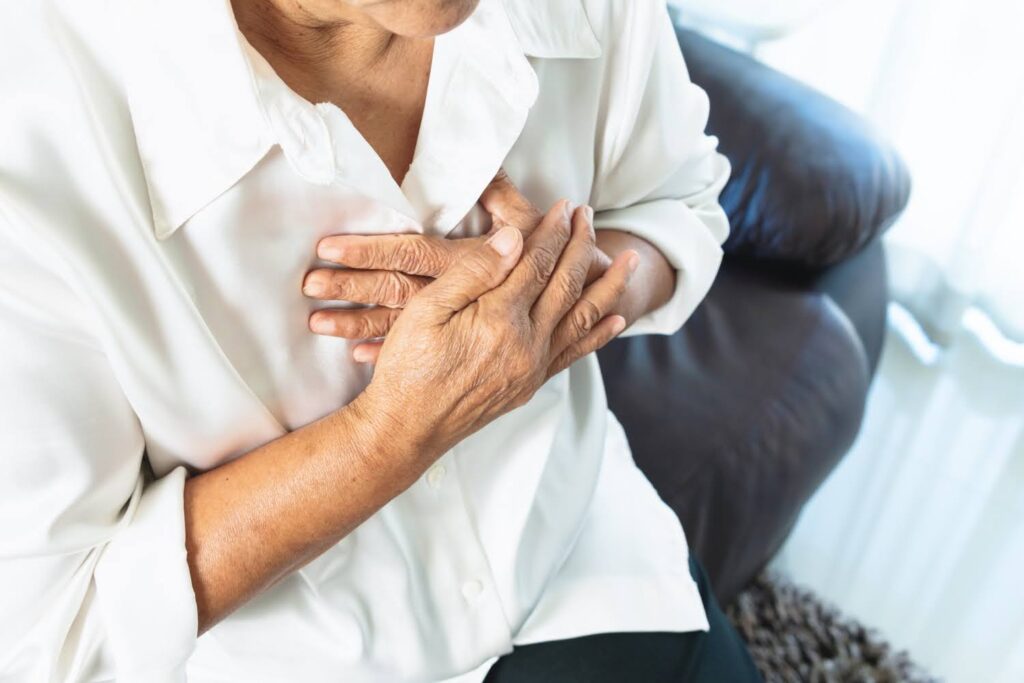
Comprehensive Treatment and Care for Heart and Cardiovascular Disease
Treating heart disease is not limited to medications or surgery. There is another approach that can help restore and support your heart health. This method is gaining more attention, with many people turning to it as part of their self-care.
That approach is integrative medicine, which combines modern medical science with nutritional therapy, acupuncture, stress management, and natural rehabilitation.
This article will help you open up a new perspective on heart care through integrative medicine, a holistic approach that looks deeply at the body, mind, and behavior—because good heart health begins with understanding all aspects of yourself.
Causes of Heart Disease
In recent years, the mortality rate from heart disease has been steadily increasing. A concerning fact is that around 60–70% of patients die from sudden cardiac arrest without any prior warning signs.
Recent research has revealed that the true underlying cause is chronic inflammation of the vascular endothelium (blood vessel lining). The key contributing factors include:
1. Dietary and Metabolic Factors
- Trans fats from processed foods such as non-dairy creamer, margarine, and hydrogenated oils
- Elevated triglyceride levels
- Imbalanced blood sugar
- Various toxins and free radicals
2. Physiological Factors
- Metabolic acidosis and tissue hypoxia (found in people who snore or have sleep apnea)
- Imbalance of sex hormones
- Accumulation of homocysteine due to impaired amino acid metabolism
3. Lifestyle Factors
- Gut microbiome imbalance and leaky gut syndrome
- Inadequate sleep and chronic stress
Understanding these risk factors helps in effectively preventing and reducing the risk of heart disease.
Who Is at Risk of Heart and Vascular Disease?
- Middle-aged and older adults, especially those aged 40 and above, whose risk increases with age
- People with a family history of heart disease, where genetics increase vulnerability
- Individuals with chronic conditions such as diabetes, hypertension, or high cholesterol
- People who are overweight or obese
- High-risk lifestyle groups, such as smokers, heavy alcohol drinkers, highly stressed individuals, and those who consume a lot of processed foods
Symptoms of Coronary Artery Disease
About 60–70% of patients with coronary artery disease show no warning signs, and many experience sudden heart attacks, which can be fatal.
However, in those who do exhibit symptoms, the following are common:
- Chest pain – Discomfort, tightness, or pain in the left side or center of the chest, sometimes radiating to the shoulder, left arm, or neck. It may feel like a heavy weight pressing on the chest.
- Unusual fatigue – Feeling easily exhausted during activities that used to be manageable, even light ones.
- Signs of reduced heart pumping efficiency – Swollen legs and feet, difficulty breathing when lying down, or coughing with pink or reddish phlegm.
Caring for Heart Patients at Home
1. Basic Care Principles
Creating a suitable environment is essential for caring for heart patients at home:
- Prepare a proper resting area – A quiet room with good ventilation, adequate lighting, and a comfortable temperature.
- Reduce stress triggers – Minimize loud noises, disturbances, and situations that may cause anxiety or excitement.
- Keep emergency medication available – Store heart medications in an easily accessible place with clear instructions.
- Have an emergency contact plan – Display phone numbers of the treating physician, hospital, and emergency services in a visible location.
2. Self-Monitoring Risk at Home
Recognizing abnormal signs is an important skill for patients and caregivers. Symptoms to watch for include:
- Chest pain or tightness
- Shortness of breath
- Unusual fatigue
- Swelling of legs or ankles
- Dizziness
Self-checking can include:
- Pulse measurement – Using fingers to feel the pulse at the wrist or neck, counting beats per minute, and noting rhythm regularity.
- Blood pressure measurement – Done while sitting or lying down after resting for at least 5 minutes.
Warning signs that require immediate medical attention include:
- Severe chest pain that does not improve within 5 minutes
- Marked shortness of breath
- Profuse or unusual sweating
- Sudden fainting
Diagnostic Methods
For patients with symptoms, coronary artery disease can be diagnosed based on clinical evaluation together with laboratory and imaging tests such as:
- Electrocardiogram (ECG) – Both at rest and during exercise (treadmill stress test)
- Blood tests for cardiac enzymes (Cardiac markers)
- Echocardiography
- Coronary angiography – Injecting contrast dye to visualize coronary blood flow
However, these tests are generally effective only when narrowing or blockage of the coronary arteries has already occurred. In at-risk individuals without actual stenosis, these tests may not clearly indicate future risk.
With current knowledge that coronary artery disease begins with inflammation of the vessel wall, measuring C-reactive protein (Hs-CRP) has become an important modern tool for assessing risk.
For a more accurate risk assessment, Hs-CRP should be considered together with:
- Blood sugar and insulin levels
- Homocysteine levels
- Hormonal balance
- Levels of toxins and heavy metals in the body
Conventional Medical Treatment for Heart Disease
Initial medical management of heart disease usually follows three main approaches, depending on each patient’s condition:
1. Medications
Drug therapy is the primary treatment for many heart conditions. Medication is selected according to the type and severity of the disease.
Use of medication must be supervised closely by a physician to control symptoms and prevent complications.
2. Balloon Angioplasty (PCI – Percutaneous Coronary Intervention)
This procedure uses a catheter with a small balloon to widen narrowed or blocked coronary arteries, improving blood flow. In many cases, a stent is placed to prevent re-narrowing.
This treatment is suitable for patients with severe symptoms or arterial narrowing of more than 70%, and it is a highly effective option for restoring circulation.
3. Heart Surgery
Surgery is considered when:
- Symptoms are severe
- The patient does not respond adequately to medication or angioplasty
Examples include valve repair or replacement for defective heart valves. Heart surgery may be open or minimally invasive, depending on the disease and medical indications.
Post-Balloon Angioplasty Care
After undergoing balloon angioplasty, patients require close monitoring in the early phase and should:
- Take medications regularly – Especially antiplatelet drugs, strictly as prescribed, and never stop them without consulting a doctor.
- Care for the wound – Keep the wound dry and clean to prevent infection.
- Avoid strenuous activities – No heavy exercise, driving long distances, or lifting heavy objects for the first 2 weeks.
- Adjust diet – Avoid high-cholesterol and sugary foods; emphasize vegetables and fruits.
- Quit smoking permanently – To reduce the risk of re-narrowing of blood vessels.
- Get adequate rest – Sleep 8–10 hours at night and take short naps during the day.
- Manage stress – Modify lifestyle to maintain emotional balance.
- Follow up regularly – Keep all appointments to monitor progress and adjust treatment as needed.
Rehabilitation After Balloon Angioplasty
About two weeks after the procedure, patients should begin a structured cardiac rehabilitation program, starting with light activities such as:
- Slow walking
- Gentle stretching
Then gradually increase intensity under medical guidance.
Regular exercise:
- Strengthens heart muscle
- Improves circulation
- Enhances overall fitness
Daily routines should be adjusted to include adequate rest, stress reduction, and a better balance between work and health.
Preventive Treatment with Integrative Medicine
One promising way to prevent heart and vascular disease is to address the root causes of risk, such as:
- Using nutrient therapy to correct metabolic problems that lead to conditions like diabetes
- Applying oxidation therapy to improve immunity and reduce vascular inflammation
- Using chelation therapy and antioxidants to remove toxins and free radicals that inflame blood vessels
- Employing ECP (External Counterpulsation) technology – a non-invasive method that:
- Stimulates blood flow back to the heart
- Increases oxygen and nutrient delivery to the heart muscle naturally
- Promotes new blood vessel formation
- Reduces chest pain
- Helps the heart function more efficiently
ECP is particularly suitable for heart patients who cannot undergo surgery or angioplasty, and it helps improve quality of life without increasing medication burden.
The goal of this treatment model is to correct the root cause and reverse chronic inflammation of the vessel wall before it progresses to full arterial blockage.
10 Tips to Support Healthy Circulation and Reduce Cardiovascular Risk
Here are practical ways to keep your heart and circulatory system strong and reduce both first-time and recurrent cardiovascular events:
- Exercise regularly
Brisk walking, light jogging, swimming, or cycling at least 30 minutes a day, 5 days a week, to strengthen the heart and enhance circulation. - Eat heart-healthy foods
Focus on fruits, vegetables, whole grains, fish, and nuts. Avoid greasy foods, processed foods, and excessive salt. Nutrient-dense foods help prevent fat buildup and reduce inflammation. - Drink enough water
Aim for 8–10 glasses per day to keep blood flowing smoothly and prevent thickening. - Maintain a healthy weight
Excess body weight increases heart workload and raises the risk of cardiovascular disease. - Quit smoking and avoid secondhand smoke
Nicotine constricts blood vessels, raises blood pressure, and reduces oxygen in the blood. Quitting smoking is one of the most effective ways to improve heart health. - Limit alcohol consumption
Moderate drinking may pose less risk, but regular heavy drinking harms the heart. - Manage stress
Practice meditation, yoga, deep breathing, or relaxing activities. Chronic stress negatively affects the cardiovascular system. - Get enough sleep
Aim for 7–9 hours per night. Poor sleep increases the risk of heart disease and high blood pressure. Quality sleep allows the body and heart to recover properly. - Have regular health check-ups
Monitor blood pressure, blood sugar, and cholesterol levels regularly to detect and prevent problems early. - Avoid prolonged sitting or standing
Change posture frequently, walk briefly every 30–60 minutes, and elevate your legs occasionally to help circulation.
Caring for your circulatory system requires consistency and patience, but the long-term benefits for your overall health are significant.
Modern Cardiovascular Treatment with Integrative Care
Today, effective cardiovascular treatment requires collaboration between experienced integrative medicine physicians, modern diagnostic tools and technologies, holistic care, and active participation from patients and families in adjusting lifestyle habits.
If you are seeking integrative treatment for heart and vascular disease, or want to better understand cardiovascular conditions,
Absolute Health Regenerative Medicine, a leading integrative medical center with highly experienced physicians, is ready to provide consultation and care.
FAQs – Frequently Asked Questions About Cardiovascular Therapy
1. Can heart patients exercise?
Yes, heart patients can exercise, but should always consult their doctor first.
Typically, doctors recommend starting with light activities such as:
- Slow walking
- Gentle stretching
- Light swimming
For about 20–40 minutes, 3–5 times per week, once the condition is stable.
Proper exercise strengthens heart muscle, improves circulation, and reduces risk factors.
Most importantly, patients should stop immediately if they experience:
- Chest pain
- Shortness of breath
- Dizziness
2. What equipment is needed to care for a heart patient at home?
Essential equipment includes:
- Digital blood pressure monitor
- Pulse oximeter (to measure blood oxygen levels)
- Thermometer
- Emergency medications prescribed by a doctor (e.g., Nitroglycerin)
- Symptom log or diary
Emergency phone numbers for the physician and hospital should also be kept in a visible place. These tools support effective monitoring and basic home care.
3. How long does recovery take after heart treatment?
Recovery time depends on the severity of the disease and the treatment method:
- Medication only – Many patients feel better within 2–4 weeks.
- Balloon angioplasty – Recovery typically takes around 1–2 months.
- Bypass surgery – Recovery may take 2–3 months or longer.
Key factors for full recovery include:
- Following medical advice strictly
- Taking medications regularly
- Making lifestyle changes
- Attending all follow-up appointments
Complete rehabilitation requires time, consistency, and proper self-care.
Holistic Health Care with Absolute Health
Absolute Health is an integrative health center with over 20 years of experience, combining modern medicine with evidence-based complementary therapies.
We provide:
- A team of highly experienced physicians
- Continuous medical development through monthly professional meetings
- Personalized treatment plans tailored to each individual for optimal outcomes
Our care is truly holistic—addressing:
- Physical health
- Mental well-being
- Emotional balance
- Lifestyle factors
Our services include:
- Anti-aging medicine by expert anti-aging physicians
- Alzheimer’s care
- Immune system enhancement
- Hormonal balance and menopausal concerns
- Comprehensive diabetes management
Contact us today for a consultation with our specialist medical team.
E-mail: info@absolute-health.org
Address: Absolute Health: Integrative Medicine
20/2-7 Ruam Rudee Village, Soi Ruamrudee, Ploenchit Rd., Lumpini, Pathumwan, Bangkok 10330
Opening hours: Monday–Sunday, 9:00 AM – 6:00 PM