
Home / Medical Article / ECP and a New Dimension in Kidney Care
Dr.Sitt Tienthiti : Integrative and Regenerative medicine
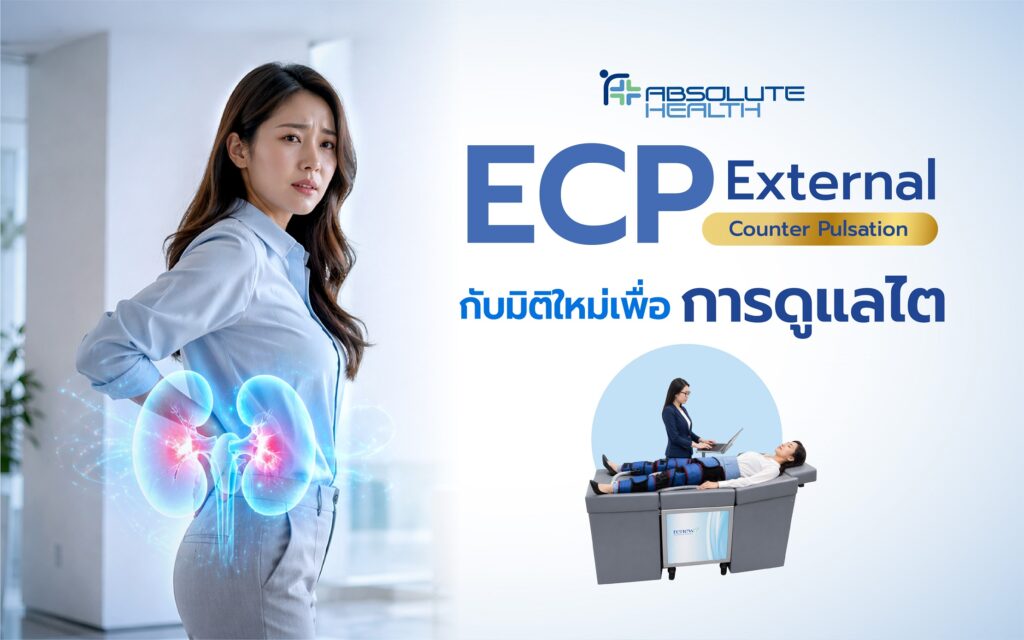
External Counterpulsation (ECP) is a medical technology used to support and “restore” circulatory function, particularly in patients with cardiovascular disease. Beyond its well-known benefits for the heart and blood vessels, growing evidence suggests that ECP may also positively influence other organs — especially the kidneys, which play a crucial role in regulating fluid balance, electrolytes, and waste removal from the body.

Through its ability to enhance blood circulation and reduce cardiac workload, ECP may improve renal blood flow and support kidney function through restorative physiological mechanisms. This article explores the physiological effects of ECP, its clinical outcomes, and the available medical evidence, while also highlighting both the well-established benefits and areas that still require further investigation.
The air cuffs inflate sequentially, pushing blood from the lower extremities back toward the heart. This process increases pressure within the aorta, known as Diastolic Augmentation, thereby enhancing blood flow to the heart and other vital organs, including the kidneys.
The cuffs rapidly deflate, reducing systemic vascular resistance — a mechanism referred to as Systolic Unloading. This decreases the workload of the heart and allows more efficient cardiac output.
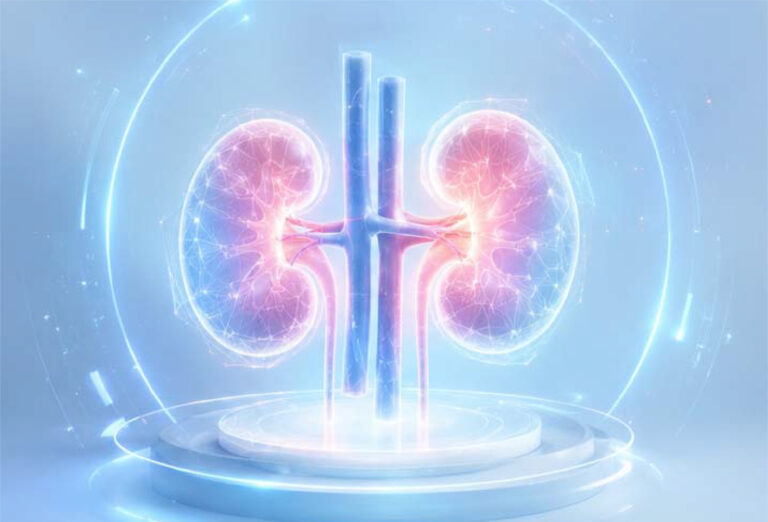
Clinical studies have demonstrated several beneficial renal effects of ECP:
ECP has been shown to increase renal artery blood flow by approximately 19–21%.
ECP may improve the glomerular filtration rate (GFR) and increase renal plasma flow.
Treatment may increase urine output and promote the excretion of sodium and chloride from the body.
ECP has been associated with reduced levels of vasoconstrictive substances such as Renin and Endothelin-1, while increasing Atrial Natriuretic Peptide (ANP), which supports diuresis.
ECP may help accelerate the elimination of contrast agents from the body, potentially reducing the risk of acute kidney injury following contrast-enhanced imaging procedures such as CT scans.
Completion of a standard 35-hour ECP program has been associated with long-term improvement in estimated GFR among patients with ischemic heart disease and heart failure.
ECP may help stabilize blood pressure during dialysis sessions, reducing episodes of intradialytic hypotension and improving overall cardiac performance.
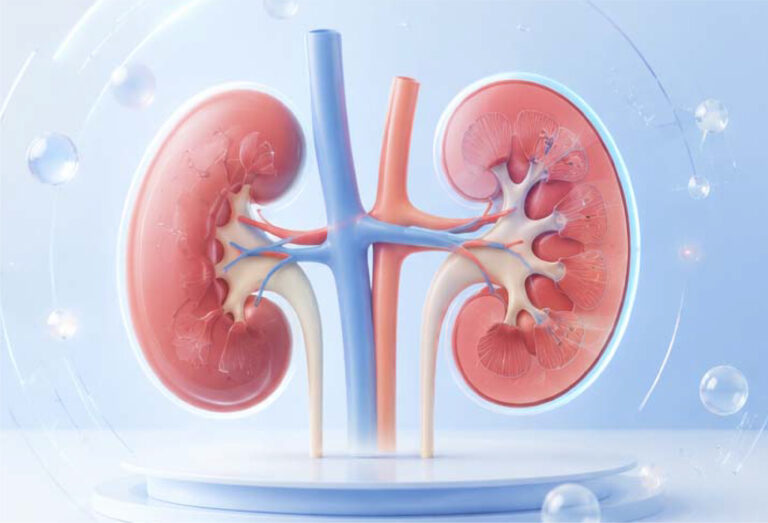
ECP should not be performed in patients with:
Most adverse effects are mild and temporary, such as:
These symptoms generally resolve on their own.
Evidence-Based Benefits of ECP for Kidney Health Restoration

Evidence-Based Benefits of ECP for Kidney Health Restoration