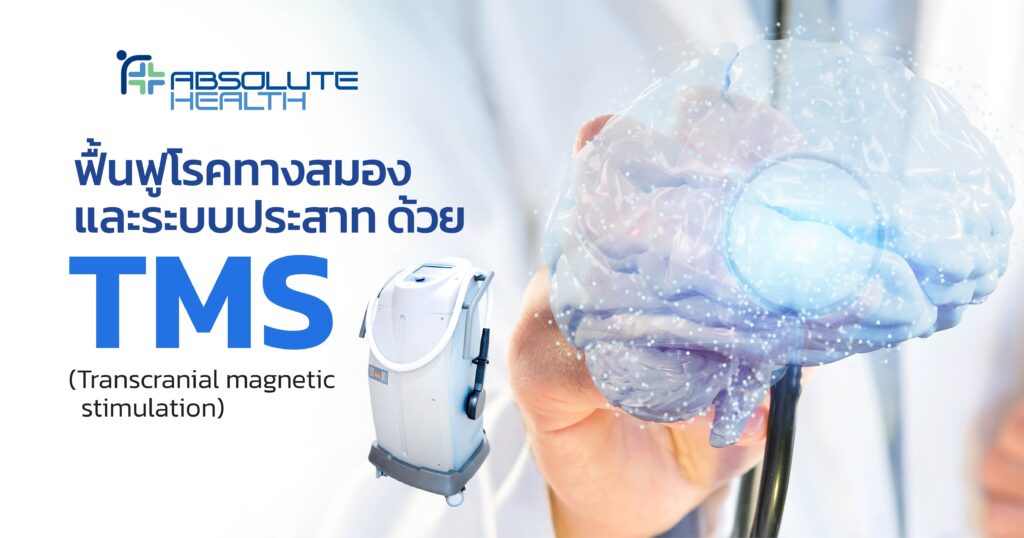
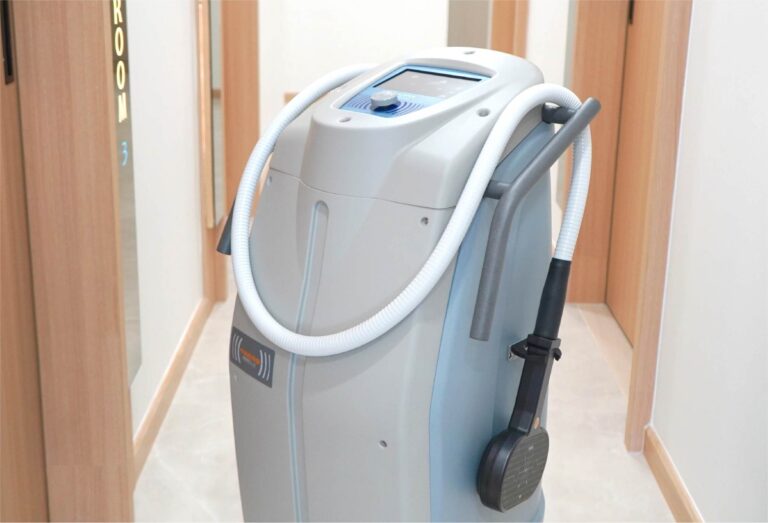
Non-Invasive Brain and Neurological Treatment with TMS
A new dimension in treating neurological and brain disorders—TMS (Transcranial Magnetic Stimulation)—offers a non-surgical approach to stimulate and rehabilitate the nervous system and brain. This method plays a crucial role in treating a wide range of conditions.
Non-Invasive Brain and Neurological Treatment with TMS
A new dimension in treating neurological and brain disorders—TMS (Transcranial Magnetic Stimulation)—offers a non-surgical approach to stimulate and rehabilitate the nervous system and brain. This method plays a crucial role in treating a wide range of conditions.
What is TMS?
TMS is a medical technology that utilizes electromagnetic waves to stimulate brain cells through the skull (non-invasive magnetic stimulation). It is particularly effective in helping patients with conditions such as:
Stroke-induced hemiparesis or hemiplegia
Traumatic brain injury (TBI)
Spinal cord injury
Facial pain or numbness from peripheral neuropathy
Muscle weakness
Swallowing or chewing difficulties
Speech disorders
Motor function issues
Sleep disturbances, including insomnia and poor sleep quality
Safe, Painless Rehabilitation Without Surgery
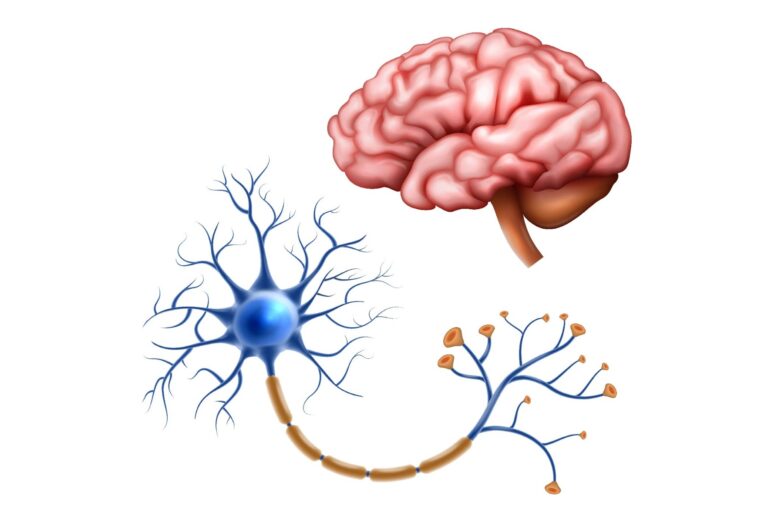
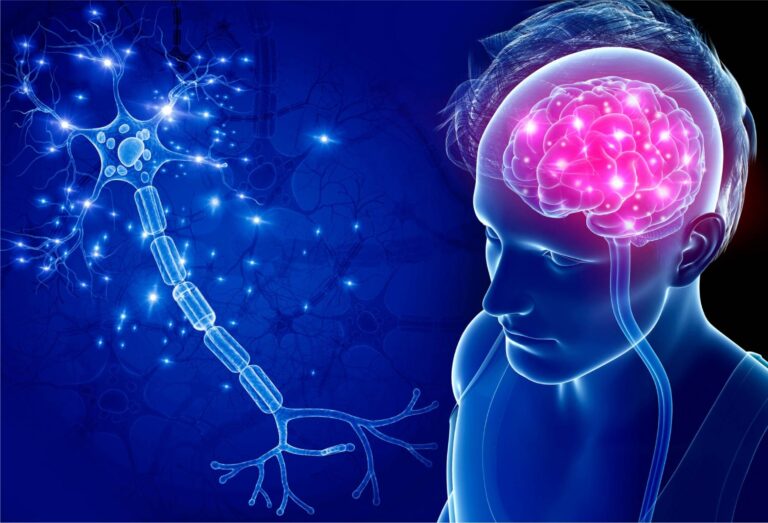
TMS works by emitting electromagnetic waves that stimulate the brain and nervous system without surgical intervention. It induces neuroplasticity, helping restructure and reactivate neural pathways. Additionally, TMS promotes the release of key neurotransmitters—serotonin, dopamine, and endogenous opioids—which support improved brain function and mood regulation. The process is entirely non-traumatic and does not cause physical damage to brain tissue.
Conditions That Can Benefit from TMS
TMS can be beneficial for individuals with:
Central nervous system disorders such as hemorrhagic or ischemic stroke
Direct traumatic brain injuries
Early-stage dementia
Alzheimer’s disease
Parkinson’s disease
Autism Spectrum Disorder (ASD)
Attention-Deficit/Hyperactivity Disorder (ADHD)
Developmental delays such as delayed speech and learning difficulties
How TMS Therapy is Performed
Treatment begins with a comprehensive medical assessment by a physician. The doctor evaluates the patient’s condition to determine whether to: