
Medical Article
Home / Medical Article / A Silent Threat You Need to Know About! Understanding Diabetes: Symptoms, Causes, and Prevention
A Silent Threat You Need to Know About! Understanding Diabetes: Symptoms, Causes, and Prevention
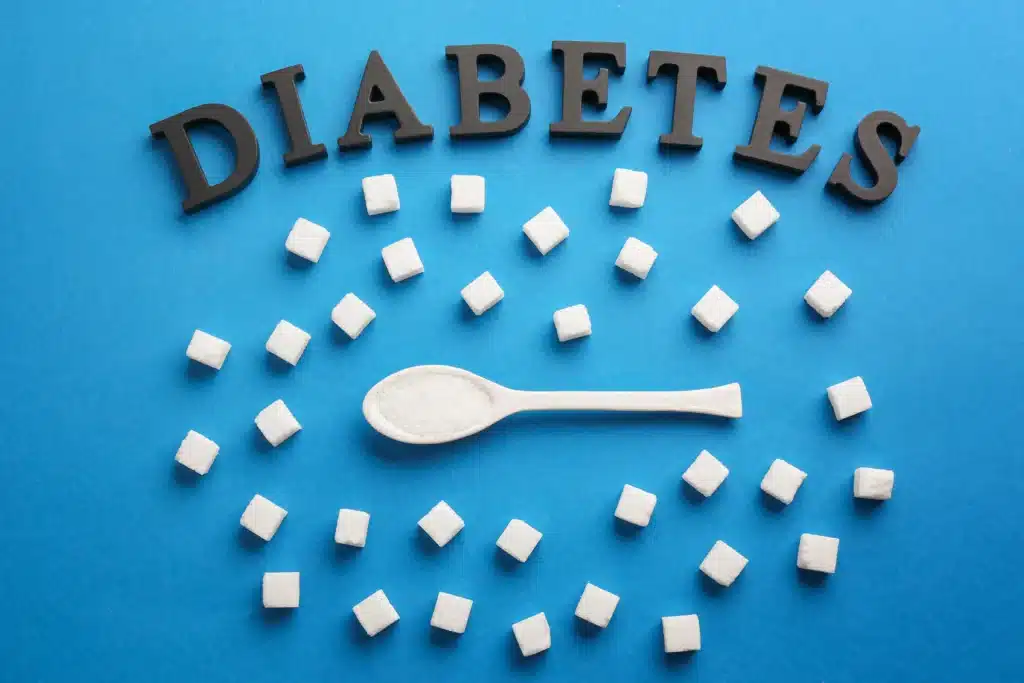
What Is Diabetes and Why Is It Important?
Understanding diabetes, its symptoms, causes and prevention is particularly important today. Diabetes is a condition characterized by persistently elevated blood glucose levels. It occurs when the body cannot produce or use insulin effectively, disrupting normal glucose metabolism. Diabetes contributes to serious complications that can affect long-term quality of life, including kidney failure, blindness, limb loss, heart disease and Alzheimer’s disease. In addition to recognizing diabetes symptoms, it is important to be aware of the 10 warning signs of heart disease, symptoms of dementia and early signs of Alzheimer’s disease, as diabetes is an important risk factor for these conditions.Types of Diabetes
Diabetes can be classified into four main types, each with distinct characteristics and underlying mechanisms.Type 1 Diabetes
This type occurs when the body’s immune system destroys pancreatic cells, resulting in an absolute insulin deficiency. The immune system attacks the insulin-producing beta cells in the pancreas. Type 1 diabetes is commonly diagnosed in children and adolescents, although it can develop at any age. Patients require lifelong insulin injections to replace the missing hormone.Type 2 Diabetes
This is the most common type, accounting for approximately 95% of all diabetes cases. Its primary cause is insulin resistance, in which the body’s cells cannot use glucose effectively even when insulin is produced. Type 2 diabetes is commonly found in adults, particularly those who are overweight or obese. However, it is increasingly being diagnosed in adolescents and children due to lifestyle changes.Gestational Diabetes
Gestational diabetes develops during pregnancy, typically becoming apparent during the second or third trimester. Rising hormone levels during pregnancy contribute to insulin resistance. Although blood glucose levels often return to normal after childbirth, individuals with a history of gestational diabetes have a higher risk of developing type 2 diabetes later in life.Other Specific Types of Diabetes
These types arise from specific causes, including genetic disorders affecting pancreatic cell function, pancreatic diseases such as chronic pancreatitis, other endocrine disorders, certain medications that affect blood glucose levels, such as steroids, and certain viral infections. Understanding and distinguishing these types of diabetes is important for developing an appropriate treatment plan.Early Symptoms of Diabetes
Recognizing early symptoms can help you detect diabetes sooner. Common signs include:- Frequent urination: One of the most prominent symptoms. High blood glucose causes the kidneys to work harder to remove excess glucose through urine, increasing urine output.
- Excessive thirst: Frequent urination causes fluid loss, leading to persistent thirst.
- Frequent hunger: You may feel hungry even after eating because cells do not receive enough energy from glucose.
- Unexplained weight loss: The body breaks down protein and fat instead of glucose for energy, causing weight loss despite normal food intake.
- Fatigue: Insufficient glucose-derived energy in cells can lead to persistent tiredness.
- Blurred vision: Elevated blood glucose affects the lenses of the eyes, making vision less clear.
- Slow-healing wounds: High blood glucose slows tissue repair and increases the risk of infection.
- Pain and numbness in the hands and feet: These symptoms result from nerve damage associated with high blood glucose.
- Itching: Dry skin and increased susceptibility to fungal infections can cause itching.
What Causes Diabetes?
Genetic Factors
Heredity is a risk factor for diabetes. Having a parent or close relative with diabetes increases your risk, but it does not mean that you will inevitably develop the condition.Lifestyle and Environmental Factors
The fast-paced digital lifestyle, unhealthy eating habits, physical inactivity, stress and insufficient rest are important contributing factors. The article also identifies exposure to toxins and contaminants, including pesticide residues on fruits and vegetables, chemical contaminants in meat and air pollution, as factors that may promote inflammation and insulin resistance.Blood Glucose Levels
What is a normal blood glucose level? Reference values depend on the testing method used.1. Fasting Blood Glucose Test
This widely used standard test involves taking a blood sample after fasting for at least eight hours. The reference criteria stated in the original article are:- Normal: Blood glucose no higher than 100 mg/dL.
- Prediabetes: 100–125 mg/dL.
- Diabetes: Above 126 mg/dL on more than two consecutive occasions.
2. Oral Glucose Tolerance Test (OGTT)
The individual consumes 75 grams of glucose, and blood glucose is measured two hours later. A result of 200 mg/dL or higher indicates diabetes. This method is often used to screen for gestational diabetes or when prediabetes is suspected.3. Hemoglobin A1c (HbA1c) Test
An HbA1c result of 6.5% or higher indicates diabetes. The article identifies a result between 6.0% and 6.4% as indicating an increased risk of diabetes. Article illustration: Absolute Health SEO NOV C01 2

How to Prevent Diabetes
Here are 10 ways to help prevent diabetes that you can start incorporating into your daily life today:
- Maintain a healthy body weight.
- Choose a balanced, appropriate diet.
- Exercise regularly, such as swimming, brisk walking or cycling.
- Avoid foods and beverages high in sugar.
- Manage stress effectively.
- Get seven to nine hours of quality sleep.
- Have annual health checkups.
- Quit smoking and limit alcohol consumption.
- Drink sufficient water, approximately eight to ten glasses per day.
- Develop new habits that support long-term health.
An Integrative Approach to Diabetes Care
Holistic diabetes care focuses on addressing underlying causes rather than simply providing temporary symptom relief. The approaches described in the original article include:
Restoring Bodily Balance with Natural Substances
Assessing the body’s mineral, nutrient and hormonal needs, followed by individualized programs involving vitamins for adult immune support, minerals and hormones.
Replenishing Nutritional Deficiencies
Supplementing vitamins and minerals required by the body to support the restoration of normal organ and system function.
Removing Accumulated Toxins
The article describes chelation therapy as a technique for removing heavy metals and toxins from the body, identifying these substances as contributors to pancreatic and circulatory damage.
Immune Modulation with Personalized Vaccines
The article describes personalized vaccines as an approach intended to slow cellular damage in chronic diseases such as diabetes and Alzheimer’s disease by preventing the immune system from attacking the body’s own cells.
Peptide Technology and Cell Therapy
The article describes the use of natural peptides and mesenchymal stromal cells to support recovery in patients with different types of diabetes.
In summary, diabetes is a disorder involving impaired conversion of blood glucose into energy, resulting in persistently elevated blood glucose. Over time, this can damage cells and organs through glycation and free radical mechanisms. Type 2 diabetes is the most common form and is associated with both genetic and lifestyle factors. Prevention and management involve lifestyle and behavioral changes, alongside holistic care that encompasses physical, mental and emotional well-being.
Understanding diabetes, its symptoms, causes and prevention can help you manage your health effectively and remain alert to serious complications. If you are concerned about your diabetes risk or would like advice on integrative healthcare, the medical team at Absolute Health is available to provide consultations and develop a personalized holistic diabetes care plan.
Frequently Asked Questions (FAQ)
1. Can Diabetes Be Cured?
Diabetes is a chronic condition that requires ongoing management. Although it cannot currently be completely cured, it can be controlled. Particularly in the early stages of type 2 diabetes, significant lifestyle changes, including dietary management, regular exercise, weight loss and stress management, may help blood glucose return to normal levels and reduce the risk of serious complications.
2. Why Does Diabetes Cause Slow Wound Healing?
Elevated blood glucose promotes glycation, which damages proteins essential for tissue repair. Reduced blood circulation limits oxygen delivery to wounds, while impaired immune function increases the risk of infection. Nerve damage may also reduce pain sensation, making wounds more difficult to notice early.
3. How Can Integrative Medicine Support Diabetes Care?
The approach focuses on addressing underlying causes rather than simply lowering blood glucose. It involves comprehensive risk assessment and personalized care plans intended to improve cellular insulin responsiveness, reduce chronic inflammation and support pancreatic recovery, with the aim of achieving sustainable disease management and better quality of life.
Holistic Healthcare with Absolute Health
Absolute Health is an integrative healthcare center with more than 20 years of experience, combining conventional medicine with alternative approaches that have been studied and supported by evidence. Our experienced medical team continually develops its knowledge through monthly medical meetings to stay up to date. We also provide individualized care to achieve the best possible outcomes.
Absolute Health offers holistic care encompassing physical, mental and emotional health as well as lifestyle. Our services include anti-aging medicine provided by experienced physicians, holistic diabetes care, immune support, care for concerns related to declining hormone levels and menopause, symptoms of dementia and ischemic stroke and its treatment.
Contact us today for a consultation with our experienced team of integrative and anti-aging medicine physicians.
Website: http://www.absolutehealth.co.th/
E-mail: info@absolute-health.org
Address: Absolute Health: Integrative Medicine
20/2-7 Ruam Rudee Village
Soi Ruamrudee, Ploenchit Rd., Lumpini, Pathumwan, Bangkok 10330
เวลาทำการ: จันทร์-อาทิตย์ เวลา 9.00 – 18.00 น.